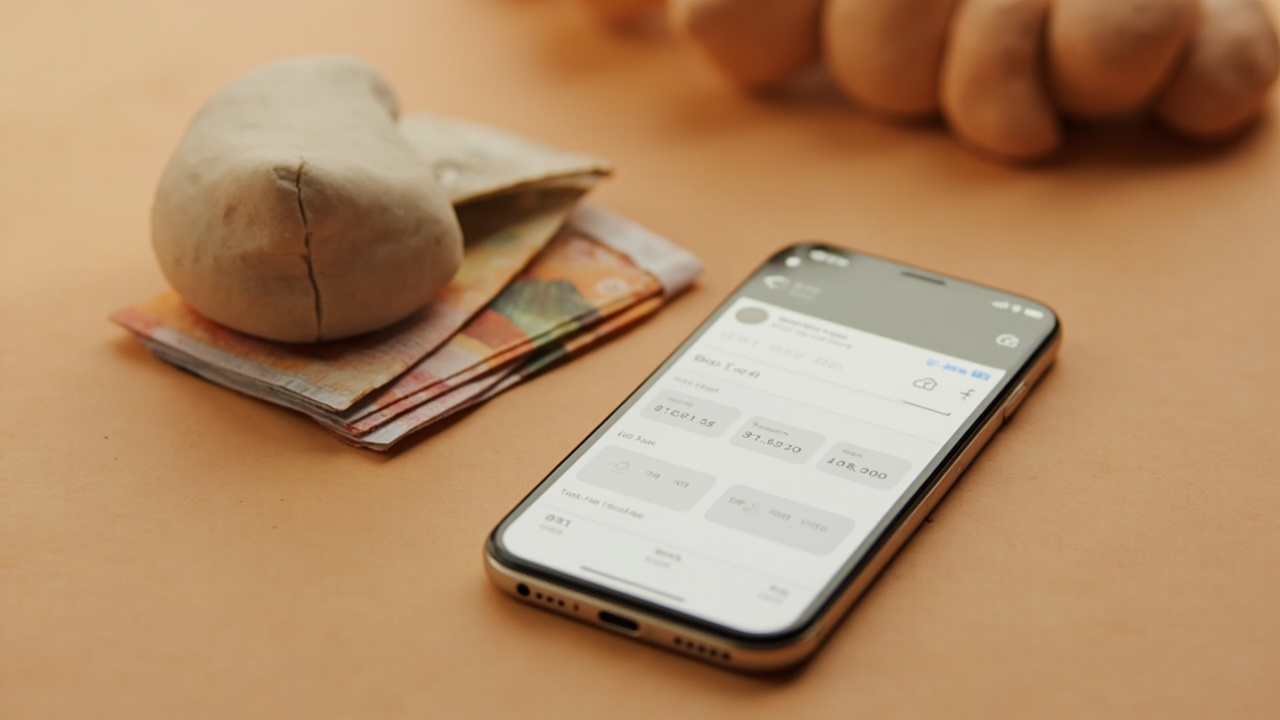
Most Australian adults know the difference between play money and real cash, but the line gets blurry fast when a child sees a screen full of coins and jackpots. This piece walks through how a player actually encounters fake money casino for kids rules, what the interface does to keep the experience harmless, and why the maths behind every spin matters more than the glitter. I’ve spent years balancing gaming mathematics with live performance, and the discipline is the same: tempo, structure, and clear expectations before any note lands.
How the play-money setup actually works
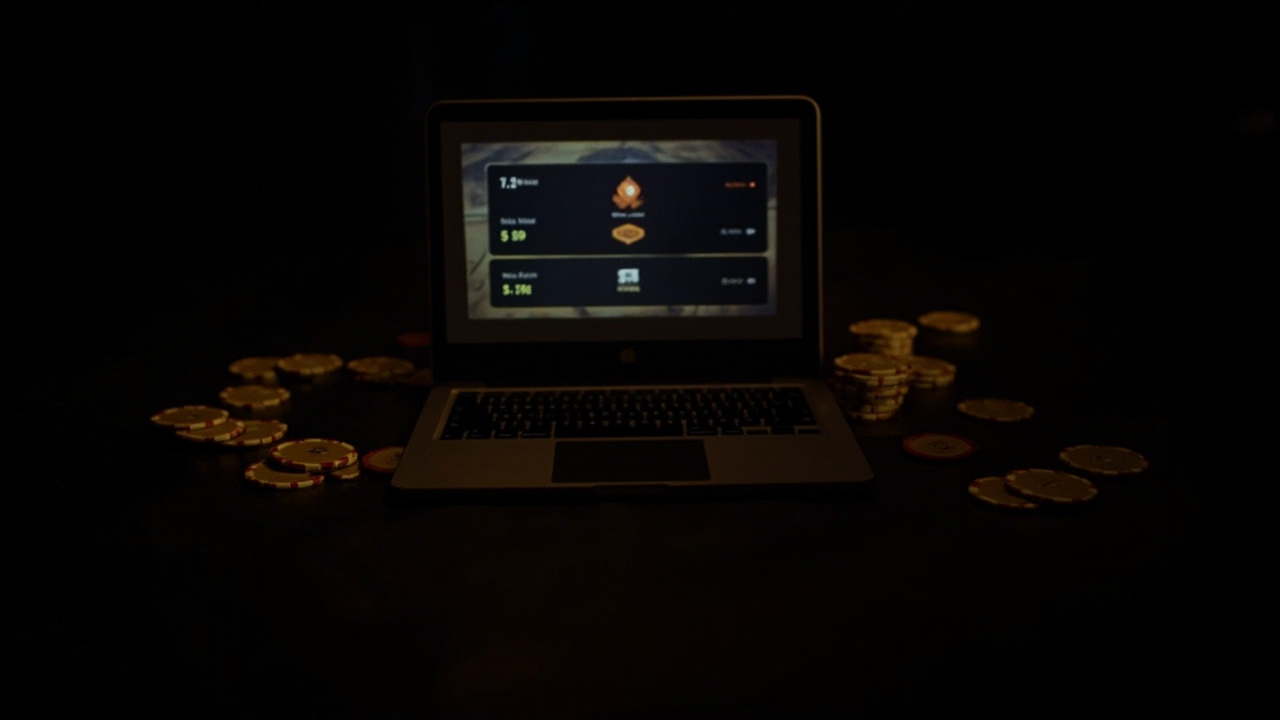
A kid opens the app and sees a clean dashboard with a starting balance, a small menu of games, and a rules panel that spells out the play-money promise in plain English. The interface leans on visual identity that reads like a family-friendly arcade rather than a casino floor: muted colours, clear buttons, and a currency label that never mimics real dollars. Navigation stays shallow, so a young player can move from one game to another without getting lost in nested menus. Language and currency default to Australian settings, with the word “dollars” replaced by “tokens” and the locale set to Aussie spelling and date formats. Search sits at the top, letting a player find a specific card game or slot-style round without scrolling through a crowded library. The whole flow is built to feel familiar without pretending to be a real-money venue.
| Detail | What it means in practice |
|---|---|
| Positioning | Play-money entertainment only, no real payouts |
| Games and providers | Licensed arcade-style titles with fixed virtual odds |
| Bonus mechanics | Daily token allowance, no rollover pressure |
| Payments and currencies | Local token balance, Australian locale defaults |
| Registration | Minimal profile, parent-visible settings |
| Mobile | Responsive layout, same rules on phone and tablet |
| Support | In-app help panel with rule summaries |
| Loyalty | Streak badges for consistent play, no spending nudges |
The maths underneath is where the real guardrails live. Expected value is the average amount you’d win or lose per bet over the long run, and in a fake-money setup that figure is set to zero or a small entertainment cost so no one walks away thinking a jackpot is a reliable income. I’ve arranged jazz sets where the chart looks simple until the tempo pushes and the ensemble has to hold the form; a well-built play-money game does the same thing, keeping the rhythm steady so kids learn the structure instead of chasing a payoff. The interface should make that clear, not hide it behind flashing lights. When a round ends, the result displays the token change and a short note that outcomes are random, which is the kind of honest feedback that keeps the experience educational rather than misleading.
What the rules panel should cover
Keeping the experience safe and readable
A solid rules panel answers the questions a parent or teacher would actually ask before handing over a device. It states plainly that tokens have no cash value, that there is no way to convert play money into real funds, and that the app does not connect to any real-money gambling account. The wording avoids dark patterns in gambling apps that nudge users toward more spending, so there are no countdown timers, no disguised “buy more tokens” prompts, and no hidden friction that makes quitting harder than staying. Instead, the panel offers a clear session limit, a visible balance at all times, and a one-tap way to pause or stop. I’ve seen production schedules where a missed cue cascades into a messy show; a rules panel that hides the stopping point creates the same kind of mess for a young player. The best versions put the most important lines near the top, use short sentences, and repeat the play-money promise in the result screen so the message lands every time.
Localisation and everyday usability for Brisbane families
For a Brisbane household, the everyday usability comes down to language, currency formatting, and how the app behaves on a phone during a quiet arvo. The locale should default to Australian spelling and date formats, with token balances shown in a simple numeric style that does not mimic real banknotes. Navigation needs to stay consistent between mobile and tablet, because a kid who starts on a phone should not lose features when switching devices. Search should surface the game they want without burying it under promotional tiles, and the help panel should answer common questions in plain English rather than legal jargon. A parent in Brisbane might want to check the rules during a school break and then hand the device over with confidence, so the panel should be easy to scan in under a minute. The goal is not to make the app feel like a casino at all, but to make it feel like a structured game with clear boundaries and a predictable flow.
Why this matters for the player
A kid who plays with fake money learns the shape of a game without the pressure of losing anything real. That is the point: a safe sandbox where the rules are visible, the outcomes are random, and the balance never pretends to be a bank account. When the interface keeps the token economy honest and the rules panel spells out the limits, the experience becomes a way to understand chance, patience, and session control. The player gets a sense of how a round works, how a balance changes, and how to stop without feeling pushed. That is a useful habit before any real-money conversation ever comes up, and it is the kind of structure that holds up whether the setting is a living room in Brisbane or a school device in another state.
When the stakes stay symbolic, players can test their instincts without worrying about real-world consequences. For those who want to explore that same risk-free environment online, https://uptownpokiesnoexpiry.com/ offers a straightforward entry point. You can start spinning immediately by visiting the page for uptown pokies no deposit free spins.

If you have used a play-money setup with kids at home or in a classroom, what worked and what felt off? Share your experience in the comments, send this to a mate who is thinking about it, and let us know how the rules landed in your house.